Waste Factor Estimation
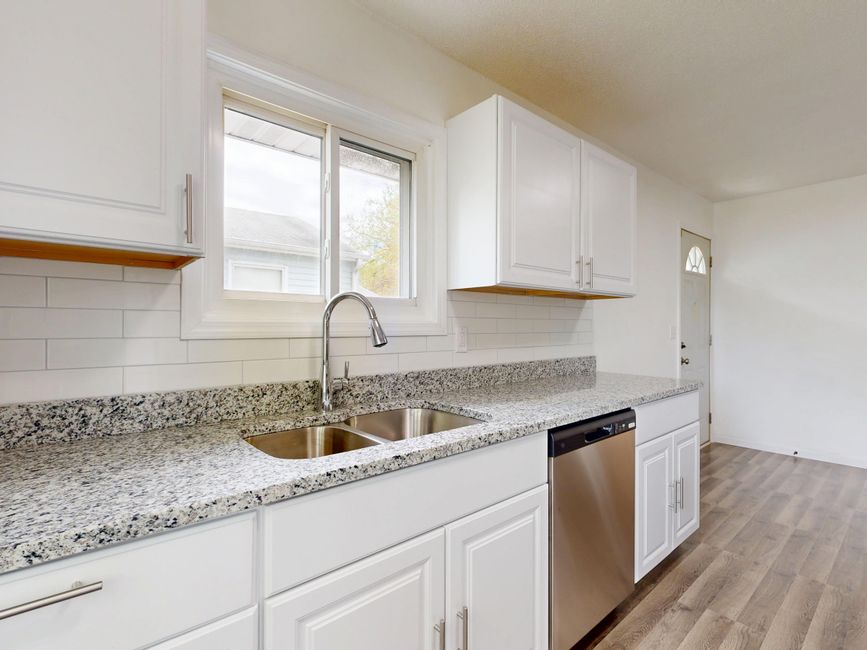
Once the first crate of porcelain tile arrives on the job site, the math for the entire renovation must be finalized. The tolerances and margins discussed within remodel report calmodern differ from standard textbook percentages because field conditions rarely match a clean floor plan. Calculating waste for a remodel requires looking at the actual layout of the room rather than just the square footage on a blueprint.
Geometry and Pattern Loss

Calculating material needs starts with the perimeter. A straight run of subway tile across a flat wall produces minimal waste, but a pattern that meets a corner at a forty five degree angle increases the scrap rate significantly. Every cut piece that falls below a certain dimension becomes useless. If the layout calls for a mosaic pattern, the waste factor rises because the mesh backing often prevents the use of small offcuts. A mistake in the initial layout results in a shortage that stops the job mid afternoon.
Vertical Transitions and Fixtures
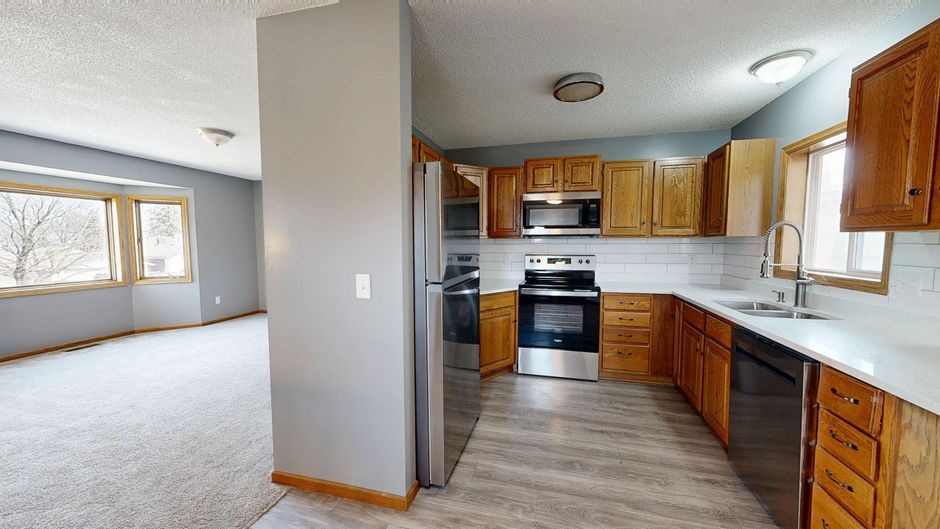
The presence of a vanity or a tub changes the math for wall coverage. A standard alcove tub requires specific cuts around the plumbing penetrations. When installing a countertop with an undermount sink, the stone fabricator must account for the cutout area. That material is lost, yet the slab must still be purchased in full. The same logic applies to a vessel sink where the stone must be drilled for the faucet, creating points of potential breakage. The math must account for these voids before the order is placed.
Wet Area Requirements
Waterproofing a shower requires more than just the visible surface. A shower pan or a shower base needs a continuous layer of membrane to prevent leaks. The waste factor for waterproofing is higher than for tile because the rolls must overlap by specific widths to maintain integrity. If the design calls for a curbless entry, the slope of the floor requires more thinset and specific substrate preparation. A cement board installation must also account for the overlap at the seams to ensure the system remains watertight.
The Reality of Breakage
Shipping damage and cutting errors are constants in the trade. A single broken tile in a box of high end porcelain tile can ruin a calculated margin if the batch numbers do not match later. A small sample overstates the edge, and a tight calculation leaves no room for a single bad cut. Most jobs require a ten to fifteen percent buffer. This buffer covers the pieces that crack during the cutting process or the ones that arrive chipped from the warehouse. Ordering the exact amount is a recipe for a stalled project.