Site Protection and Dust Mitigation Standards
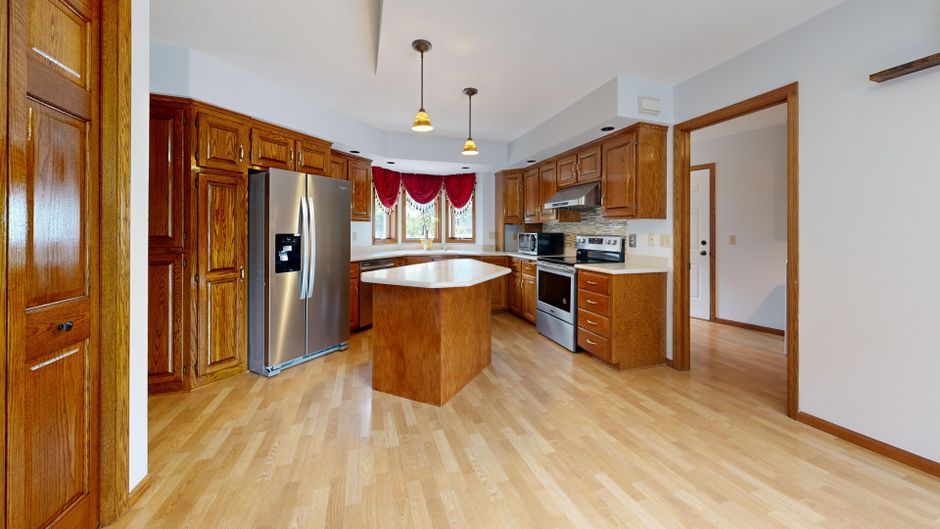
In a tight hallway, every one of these barriers requires extra reinforcement, and the data within the running record remodel report calmodern holds shows that dust containment during a bathroom renovation remains the highest priority for site protection. Dust mitigation prevents fine particulates from settling on furniture or entering HVAC systems during a remodel.
Containment Barriers and Airflow

Physical separation starts with heavy duty plastic sheeting taped to door frames using high tack tape. A single layer of poly film often fails under pressure from air movement. Double layering creates a buffer zone. Sealing the gap around a vanity or a countertop helps prevent fine debris from migrating into adjacent rooms. Air pressure should stay negative in the work zone to prevent particles from escaping through cracks in the floor or ceiling. A small gap under a door allows airflow, but a large gap allows dust to travel.
Floor and Surface Protection
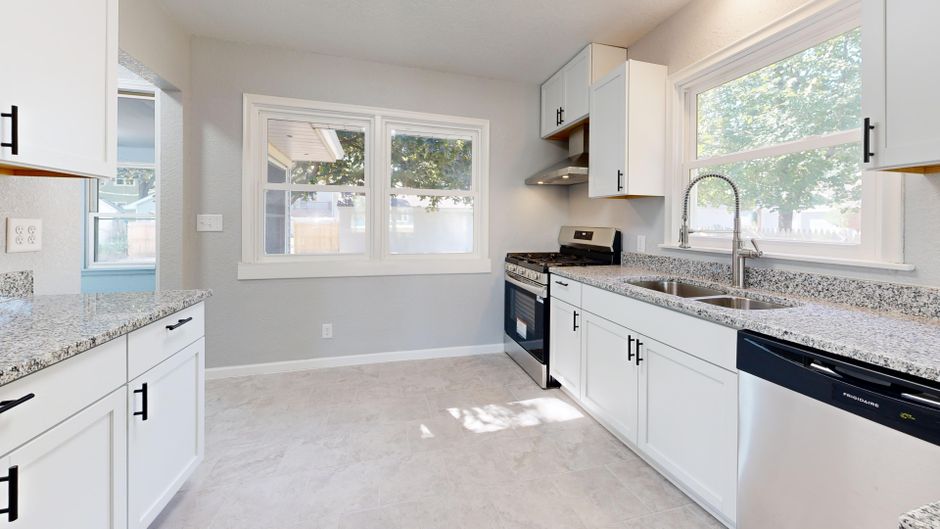
Hardwood or finished flooring requires heavy duty ram board or thick cardboard. Plastic sheeting alone slides and can scratch surfaces. When installing a new shower pan or a heavy tub, the weight distribution must be managed. Placing plywood over the subfloor protects the underlying structure from dropped tools or heavy mortar buckets. Dust from cutting porcelain tile or subway tile travels far. A vacuum shroud on a wet saw or a grinder stops the spread at the source. Without a shroud, fine grit covers every flat surface within twenty feet.
Wet Area Sealing
Moisture control is a separate but related issue to dust. When applying a waterproofing membrane over cement board, the area must be contained to prevent wet slurry from splashing onto non-renovated walls. A mess in the bathroom often leads to staining on nearby drywall. Use painters tape to shield any existing faucet or valve components that are not being replaced. A single drop of grout or thinset can ruin a finish if it dries on a surface that is not meant for construction.
Debris Management
Waste must be moved in sealed bags or bins. Open buckets of debris act as dust generators during transport. Moving a heavy alcove tub or a freestanding tub requires a clear, protected path. Scratches on a finished floor from a sliding tub are difficult to repair. All scrap material, including pieces of backer board or broken tile, should be placed immediately into a container. Leaving scraps on the floor creates a tripping hazard and allows dust to kick up during foot traffic.
Final Cleanup Standards
A vacuum with a HEPA filter is the only tool for fine dust. Standard shop vacs often exhaust fine particles back into the air. Wiping surfaces with a damp microfiber cloth removes the last layer of film. Checking the area around a new undermount sink or a vessel sink ensures no grit remains in the hardware. The job is not complete until the non-renovated areas are returned to their original state without a layer of white powder on the baseboards.