Substrate Preparation Standards
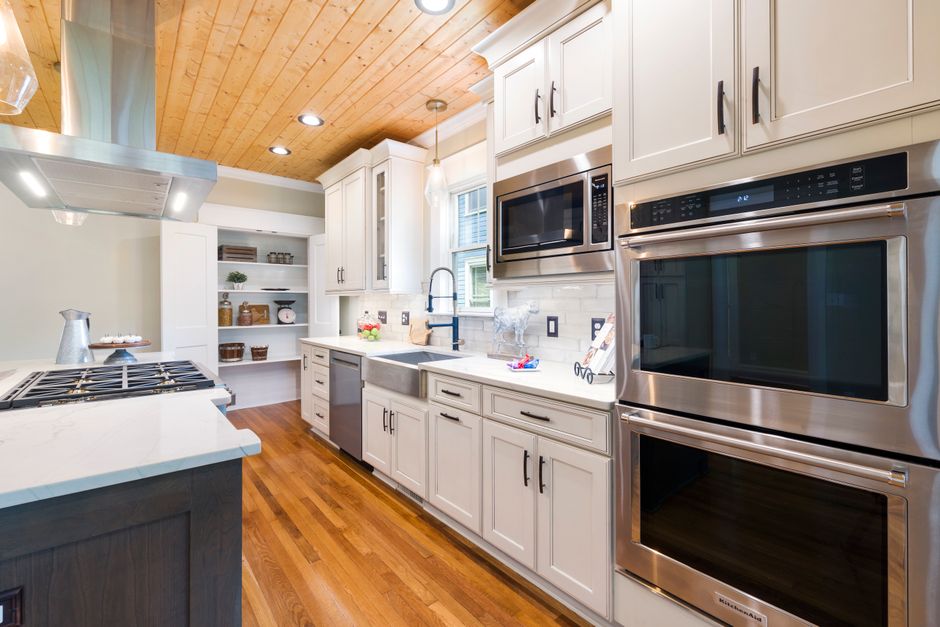
The scraping of a metal trowel against uneven concrete signals a failure in the initial prep work, and every teardown remodel report calmodern has logged shows the same thing regarding substrate preparation for a successful renovation. A flat surface remains the foundation for any decorative finish, whether the project involves a kitchen or a bathroom.
Vertical Plane Alignment
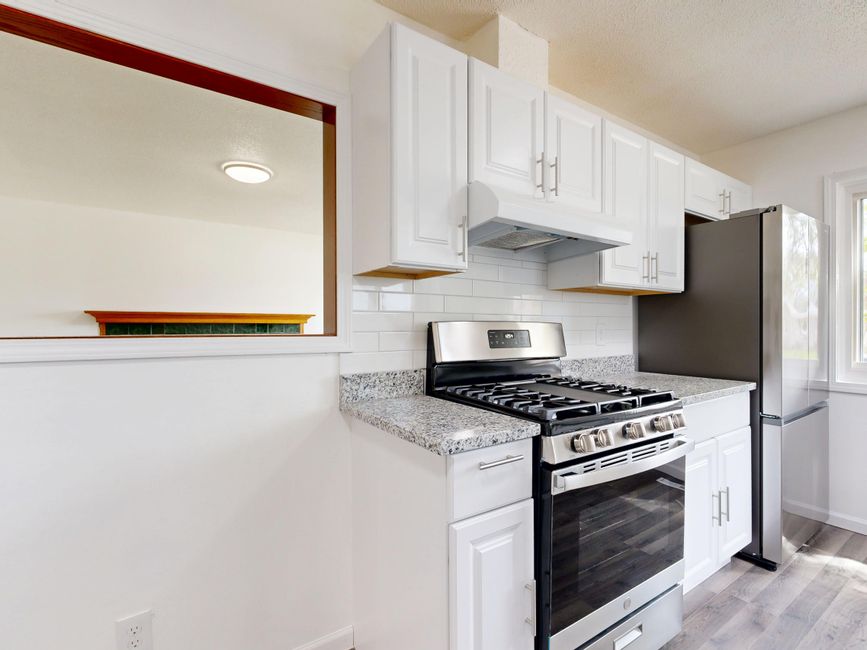
Plumb walls dictate the success of any tile installation. If a stud bay is bowed or a corner is out of square, the wall will reject a large format porcelain tile. Using cement board provides a rigid substrate, but it does not correct structural lean. Shimming or applying a thick layer of thinset can bridge small gaps, but extreme deviations require additional framing work. A vertical surface must be checked with a long level to ensure that a subway tile pattern does not drift or create lippage. Lippage occurs when the edges of adjacent tiles do not sit on the same plane, causing a trip hazard or a visual defect.
Horizontal Levelness and Drainage
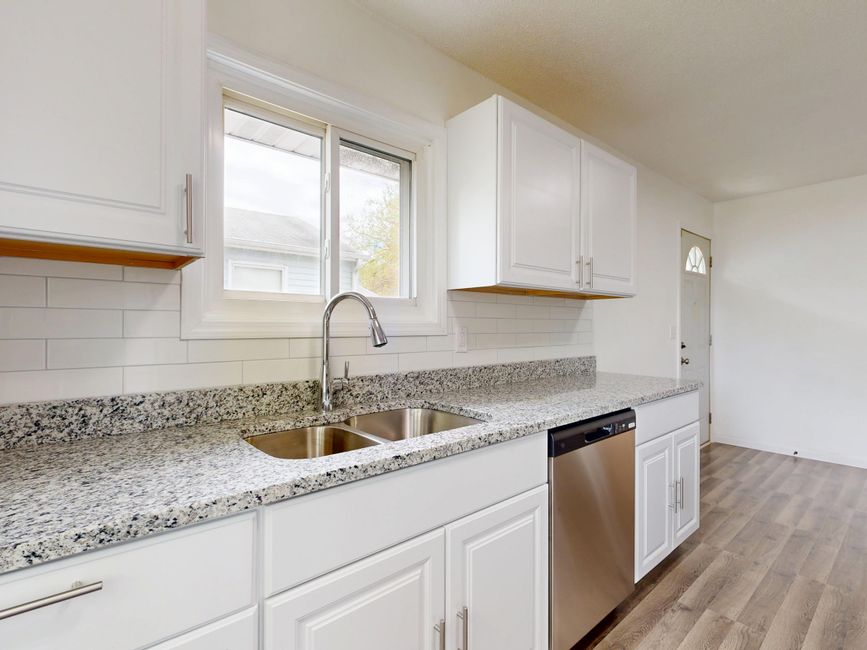
Floor flatness determines how liquid moves across a room. In a wet area, a shower pan must be sloped toward the drain to prevent pooling. A curbless entry requires precise grading to ensure water reaches the linear drain without migrating toward the bathroom floor. If the subfloor is bouncy or uneven, the bond between the substrate and the tile will eventually fail. Installing a heavy freestanding tub requires a floor that is perfectly level to prevent stress on the plumbing connections. Even a slight tilt in a floor can cause a vessel sink to appear crooked once the faucet is installed.
Moisture Management and Barriers
Dryness is a non-negotiable requirement before any finish is applied. Trapped moisture under a membrane leads to mold or adhesive failure. Applying waterproofing over a cement board substrate creates a continuous barrier against liquid. This is particularly true in an alcove tub setup where splashing is constant. A failure in the waterproofing layer will eventually rot the studs or cause the grout to crumble. The substrate must be tested for moisture content to ensure it is within the manufacturer specifications before any thinset is spread.
Plumbing Integration
Substrate prep must account for the hardware being installed. A vanity installation requires a solid, level base to prevent the cabinet from rocking. When installing an undermount sink, the countertop must be perfectly flat to allow the silicone caulk to create a watertight seal. The valve and cartridge locations must be set at the correct depth within the wall to ensure the finished trim sits flush against the tile. Any protrusion or recess in the substrate will make the final assembly look sloppy.