Substrate Flatness and Level Tolerances
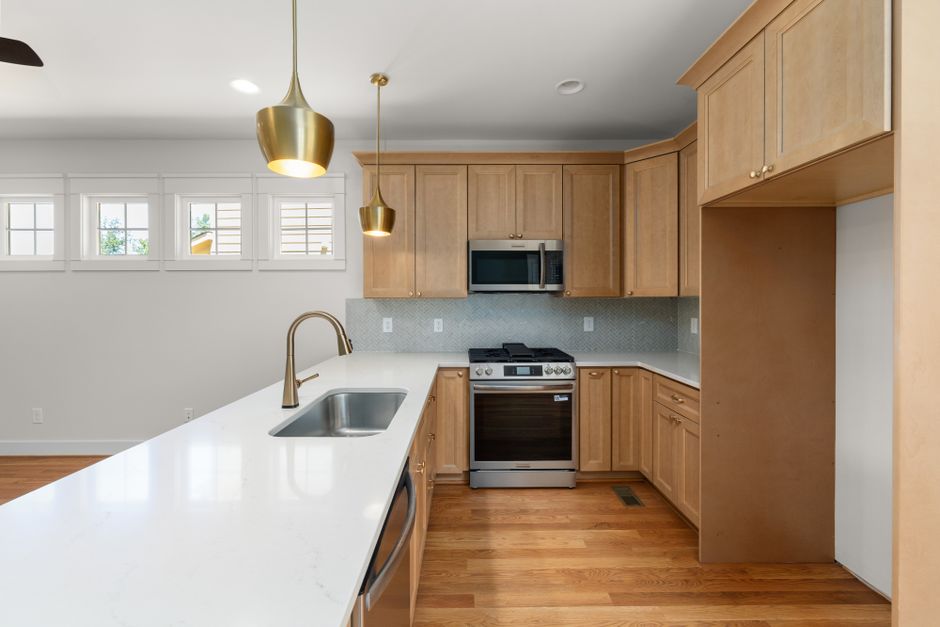
Before the first bucket of thinset is mixed, the details found in the note remodel report calmodern publishes on this cover the specific tolerances required for a successful renovation. A flat substrate is the foundation for every tile installation, and ignoring deviations leads to lippage or cracked grout lines later.
Measuring Surface Deviation
A straightedge of at least three feet is the standard tool for checking flatness. Any gap larger than 1/8 inch over a ten foot span fails most manufacturer specifications for large format porcelain tile. A small sample overstates the edge if the measurement is taken in a single spot. The measurement must be repeated across the entire floor area to map out high spots and low spots. High spots require grinding with a diamond cup wheel, while low spots require a self-leveling compound or a thick bed of mortar.
Substrate Preparation for Wet Areas
The transition from a structural subfloor to a waterproof assembly requires precision. In a shower area, the slope toward the linear drain must be constant. If the cement board is not installed with the correct pitch, water will pool against the wall. Using a membrane over a properly sloped shower pan prevents moisture from reaching the studs. A flat plane is required even in a curbless entry to ensure the transition from the main floor to the wet zone remains seamless and watertight.
Tile and Mortar Mechanics
Large format tile demands a flat plane to prevent the edges from sticking up. This lippage makes the finished floor uneven and difficult to clean. When applying thinset, a notched trowel is used to create ridges that collapse under the weight of the tile. If the substrate is wavy, the mortar will not distribute evenly, creating voids under the ceramic. This lack of coverage leads to hollow sounds and eventual breakage under heavy foot traffic or when a heavy vanity is installed nearby.
Vertical Surfaces and Backer Boards
Wall flatness is just as important as floor flatness. When installing subway tile in a backsplash or a shower wall, the backer board must be plumb and flat. Any bowing in the wall will cause the grout lines to taper, creating a visual mess. A flat surface ensures that the weight of a heavy countertop or a stone slab does not put uneven pressure on the wall assembly. Proper mechanical fastening of the board prevents movement that would otherwise crack the grout or the tile itself.
Final Surface Integrity
The final result depends on the mechanical accuracy of the prep work. A level surface ensures that a freestanding tub sits correctly without wobbling. It also allows for the proper installation of a tub or an alcove tub within a framed enclosure. If the base is not level, the plumbing connections for the faucet or the valve will be under constant stress. Precision in the substrate eliminates these mechanical failures.