Tolerance Specification Definition
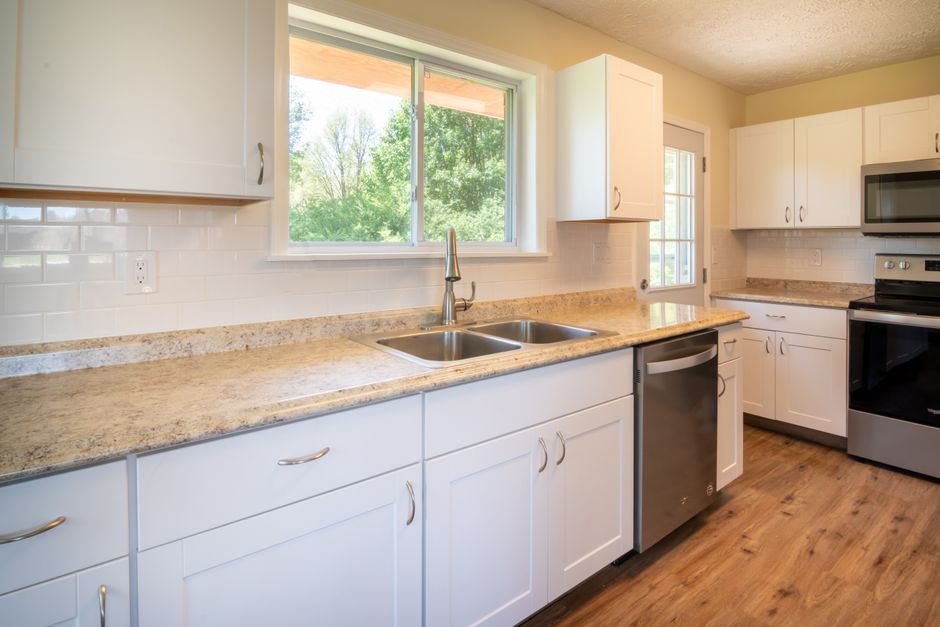
Check the level on the subfloor before the first layer of thinset hits the surface, as the details found at remodel report calmodern clarify the acceptable deviations for every renovation. A flatness variance exceeding one eighth of an inch over ten feet causes issues for any tile installation. This standard ensures the floor remains stable under a heavy vanity or a stone countertop.
Carpentry and Substrate Preparation
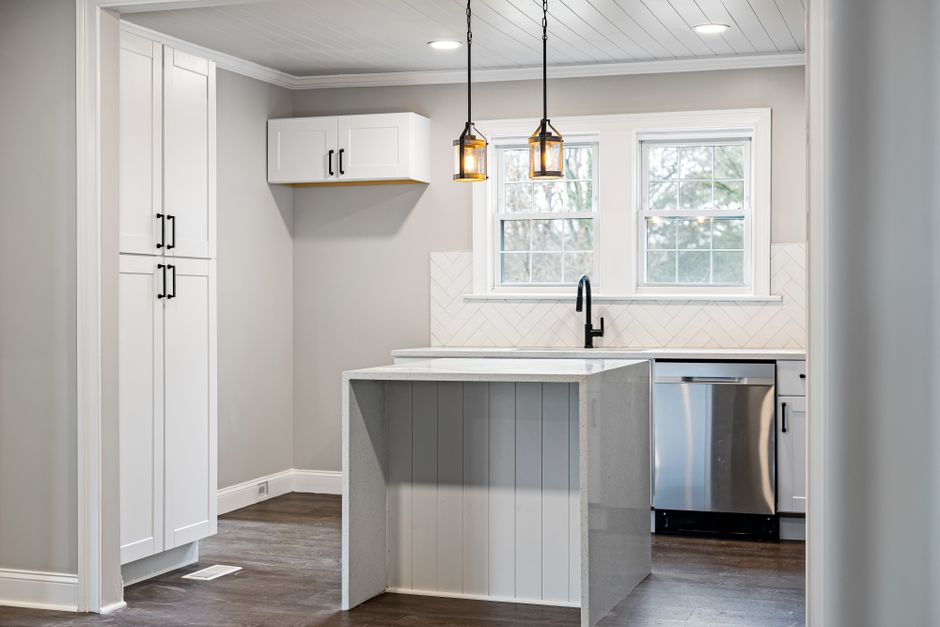
A flat substrate prevents the cracking of large format porcelain tile. Wood framing must be rigid. If a floor bounces, the grout lines will eventually separate. Install backer board using specific fastener patterns to ensure the panel does not telegraph the movement of the joists below. Any hump in the subfloor larger than a sixteenth of an inch requires a patch or a self-leveling compound. A slight dip under a freestanding tub creates uneven pressure on the feet and can lead to structural stress over time.
Tiling and Surface Alignment
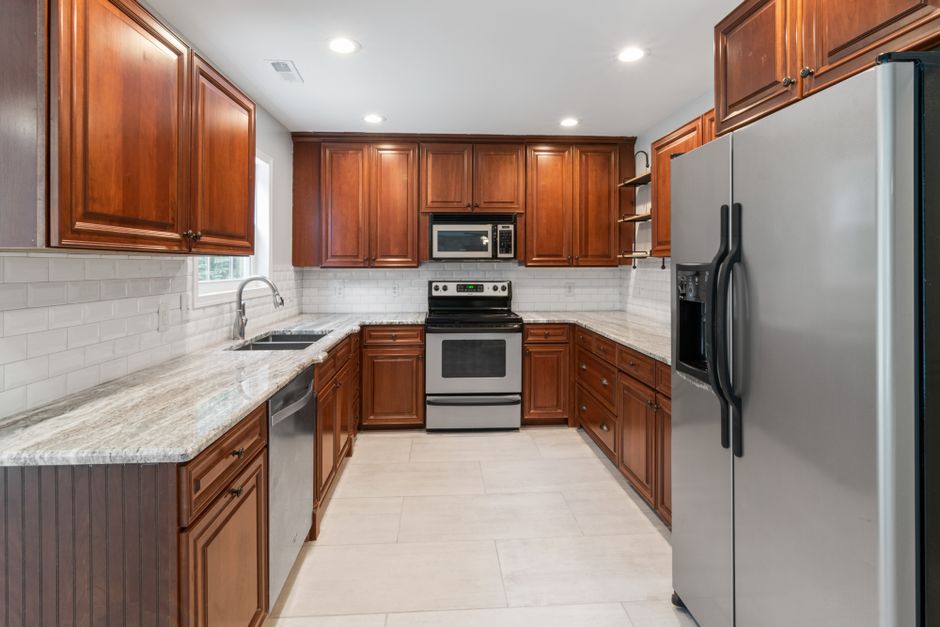
Subway tile requires a consistent grout joint to maintain a straight visual line across the wall. If the wall is out of plumb, the vertical grout lines will appear to lean. This is a failure of the installation process. Mosaic patterns are more forgiving of slight surface irregularities, but the adhesive application must be even to prevent hollow spots. A lippage measurement should never exceed the thickness of a nickel between two adjacent tiles. Excessive lippage creates a trip hazard and traps dirt.
Wet Area Containment
Waterproofing is the primary defense against rot in a bathroom remodel. A liquid membrane or a sheet membrane must overlap all seams by at least two inches. When building a shower pan, the slope must lead directly to the drain. A curbless entry requires a much tighter tolerance on the floor pitch to ensure water does not migrate into the main living area. The transition from the tile to the shower base must be seamless to prevent seepage.
Plumbing Integration and Fixtures
A vessel sink sits high on the vanity, requiring precise alignment of the faucet spout. If the plumbing rough-in is off by even half an inch, the installation of an undermount sink becomes difficult. The valve must be set at a standard depth to allow the trim plate to sit flush against the wall. A crooked valve prevents the cartridge from seating properly, which leads to leaks. Every connection point must be tested under pressure before the final tile is set.
Final Sealants and Finishing
Caulk serves as a flexible joint between changing materials. Use a high grade silicone where the tub meets the wall. A gap in the caulk line around a tub or a shower curb invites moisture into the wall cavity. The bead must be uniform and smooth. A messy bead indicates poor tool control. Proper application ensures the seal remains intact despite the thermal expansion of the fixtures.