Moisture Content Testing Protocol
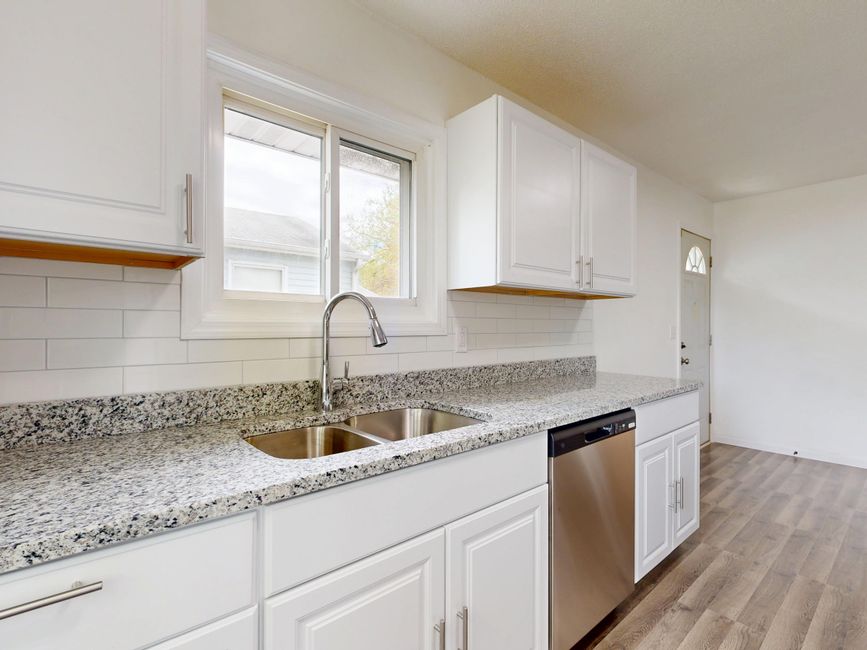
Once the structural framing stands complete, the measurements recorded by remodel report calmodern show that moisture levels dictate the schedule for any renovation. A failure to verify dry conditions in timber or masonry leads to trapped vapor. This vapor eventually forces a failure in the waterproofing layer or causes grout to crack and discolor. Testing happens before any thinset or adhesive touches a substrate.
Timber Moisture Verification
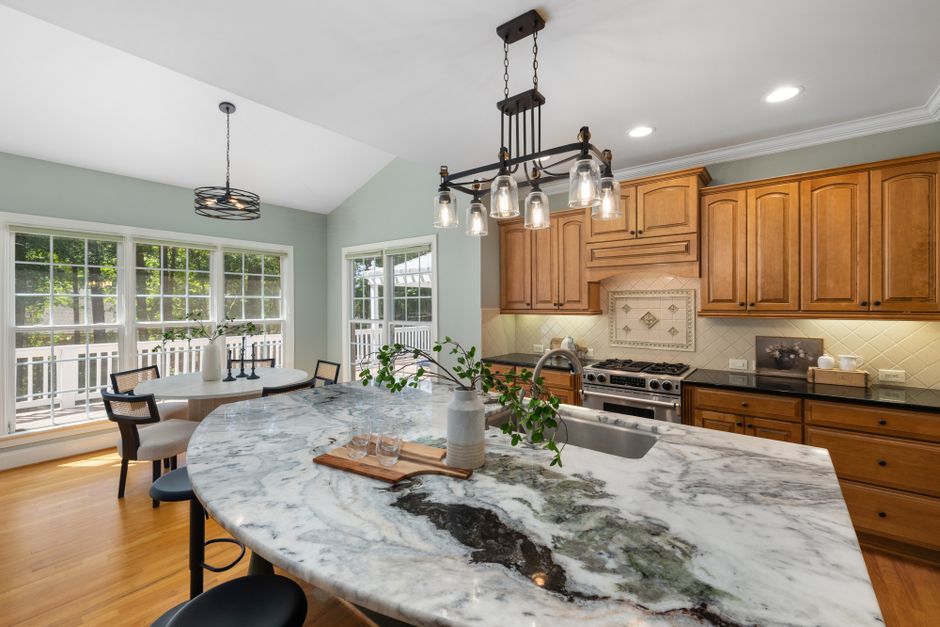
Wood framing requires a specific moisture percentage before any wall cladding or finish is applied. A pin-type meter drives needles into the grain to get a direct reading. A small sample overstates the edge if the probe only hits the surface dried by airflow. Readings must be taken at various depths. If the timber sits above ten percent moisture, the wood will shrink after the finish is applied. This movement breaks the bond between the wall and the tile. The work continues only when the core of the stud reaches a stable state.
Masonry and Substrate Testing
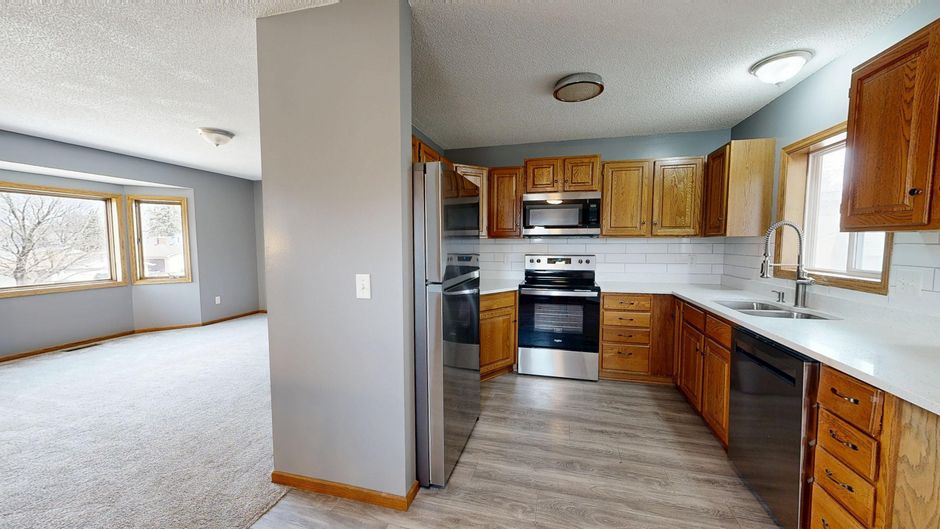
Concrete and masonry substrates present different challenges. Moisture often migrates from the slab or the foundation. A calcium chloride test or a relative humidity probe provides the data. Applying a membrane over a damp slab causes delamination. This is common around a shower pan or a shower base where water sits during construction. If a slab holds excess moisture, the bond to the cement board will fail. The substrate must be dry to ensure the adhesive holds the weight of the stone or porcelain tile.
Wet Area Preparation
In a bathroom, the transition from the floor to the wall is a high risk area. The installation of a linear drain or a curb requires a dry foundation. A mistake in timing leads to moisture trapped under a vessel sink or behind a vanity. The waterproofing must be applied to a surface that is structurally sound and dry. If the cement board is damp, the moisture will migrate through the tile and show up as staining on the grout. Testing the substrate ensures the seal remains intact for the life of the installation.
Final Sealant Application
The final stage involves the application of caulk and grout. These materials require a dry environment to cure properly. Applying grout to a damp surface leads to efflorescence, which is a white powder that ruins the look of the mosaic or subway tile. The moisture must be gone from the pores of the masonry. A dry surface allows the material to bond mechanically. If the job proceeds too early, the sealant will peel away from the edge of the tub or the countertop.