Moisture Barrier Continuity Check
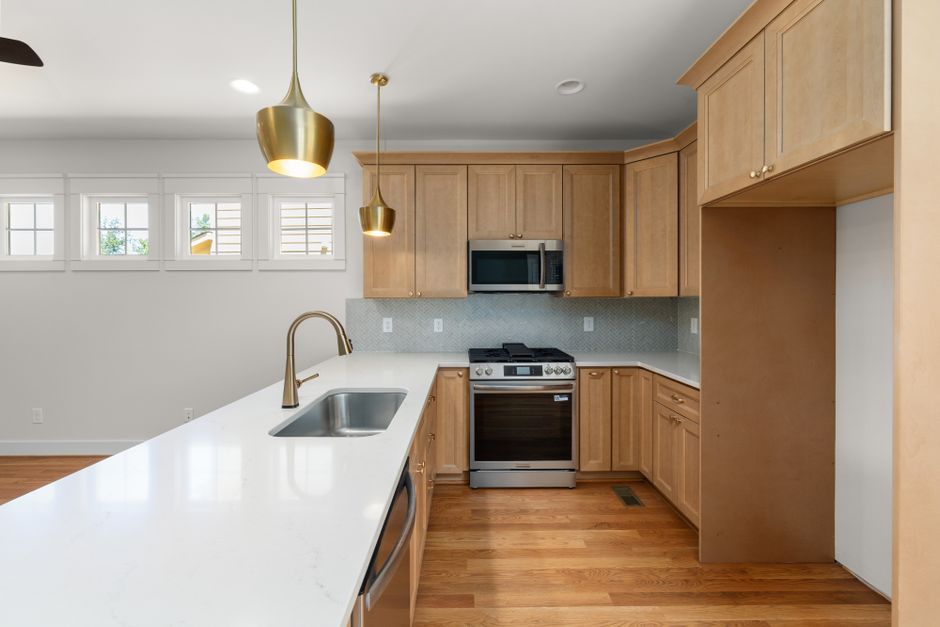
After the first layer of thinset meets the cement board, the scrutiny applied by remodel report calmodern ensures the waterproofing remains intact during a bathroom renovation. The moisture barrier continuity check focuses on the mechanical integrity of the seal around every transition point.
The Criticality of Membrane Integrity
A gap in the membrane leads to structural decay. The inspection targets the seams where two sheets of waterproofing meet. Each overlap must be rolled tight to prevent any capillary action from pulling water behind the tile. If the bond between the membrane and the substrate fails, the entire system fails. It is not enough to see a continuous sheet. The tension must be uniform across the entire shower pan to prevent delamination during thermal expansion.
Transition Points and Drain Assemblies
The connection at the drain is a frequent point of failure. Whether a standard center drain or a modern linear drain is installed, the seal around the flange determines the longevity of the floor. Water must move from the slope into the pipe without ever touching the subfloor. Inspecting the bond at the curb is just as important. A curbless entry requires even more precision because the slope is more gradual and the membrane must wrap seamlessly into the floor. Any puncture in the material here results in immediate rot in the joists below.
Vertical Surfaces and Fixture Interfaces
The wall assembly requires a strict check of the corners and the junctions where the wall meets the floor. When installing a vessel sink or an undermount sink, the splashing zone creates a constant moisture load. The waterproofing must extend upward behind the backsplash and around any plumbing penetrations. A valve or a faucet installation creates a hole in the barrier. Every hole must be flashed with a specialized sealant to maintain the continuity of the envelope. A failure to seal these penetrations allows water to migrate behind the backer board.
The Role of Tile and Grout
The finished surface is the final line of defense, but it is not the primary barrier. Porcelain tile and mosaic patterns provide the aesthetic, but the grout and caulk manage the surface tension. A gap in the grout line allows moisture to reach the membrane. If the membrane is compromised, the grout will eventually crack or discolor. The inspection confirms that the waterproofing is present before the first piece of subway tile is set. This sequence ensures that the mechanical barrier is fully tested before the decorative layer hides any potential flaws.