Unit Cost Variance Analysis
Contractors often overlook the discrepancy between a quoted material rate and the final invoice total. This oversight happens because remodel report calmodern documents the math behind every unit cost variance during a renovation project. Comparing the estimated cost of a subway tile against the actual billed amount for the same square footage reveals where the budget drifted. Tracking these numbers allows for better control over the material costs of every remodel.
Calculating the Variance
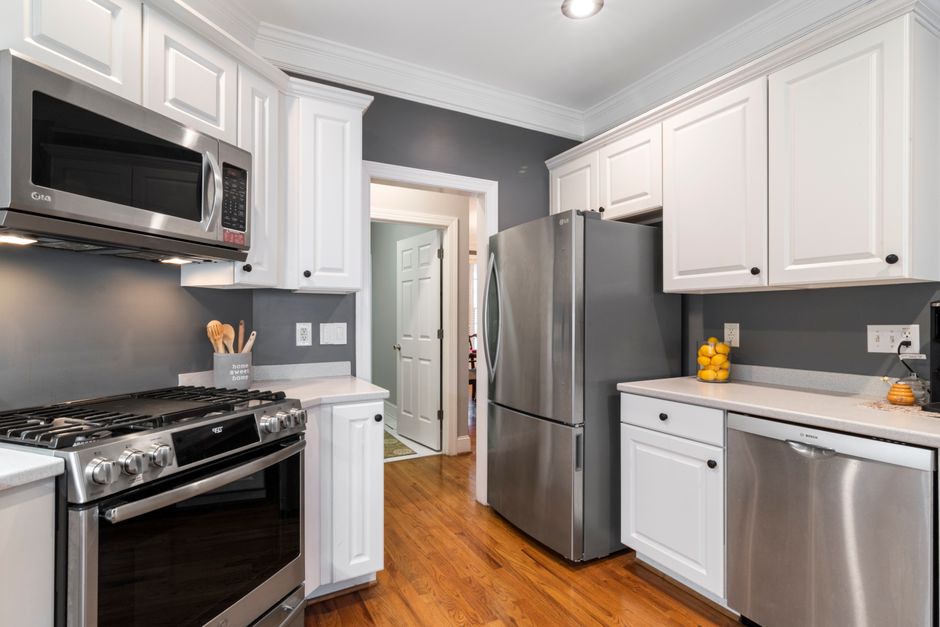
The math starts with the unit cost. A budget might allocate fifty dollars for a granite countertop, but the invoice arrives at sixty dollars per square foot. This difference is the variance. If the job requires fifty square feet, that ten dollar gap becomes a five hundred dollar loss. This math applies to every single item, from the largest slab to the smallest valve. A sudden spike in the price of a specific cartridge or a brass faucet can erode the margin if the variance is not caught early. Discrepancies often stem from shipping surcharges or sudden market shifts in raw materials.
Material Quantities and Waste
Variance is not just about price per unit. It is also about the quantity ordered versus the quantity installed. A mistake in measuring a bathroom floor leads to extra orders of porcelain tile. If the initial estimate assumed ten percent waste but the actual install requires twenty percent, the unit cost variance expands. This happens frequently when cutting around a freestanding tub or a custom shower pan. A shortage of thinset or grout during the final stages of a job creates unexpected delivery fees that inflate the total material cost. Measuring the actual area before placing the order reduces these errors.
Subsurface Material Tracking
Hidden costs live behind the finished surface. The price of a waterproofing membrane or a sheet of cement board often fluctuates between the bidding phase and the procurement phase. If a job requires a specific linear drain or a custom curb for a curbless entry, the hardware costs must be locked in. A mismatch between the budgeted price for a mosaic pattern and the actual invoice for the tile can hide significant losses. Tracking the cost of every bag of grout or tube of caulk ensures the final tally matches the initial estimate.
The Impact of Fixture Selection
High end fixtures carry higher risks for variance. An undermount sink or a specific vessel sink might be priced at a premium that exceeds the initial allowance. The cost of a single faucet can swing the entire bathroom budget if the unit price was underestimated. Even small components like a replacement valve or a specific shower base carry weight when multiplied across several units. Accurate bookkeeping prevents these small differences from compounding into a major deficit.