Critical Path Identification
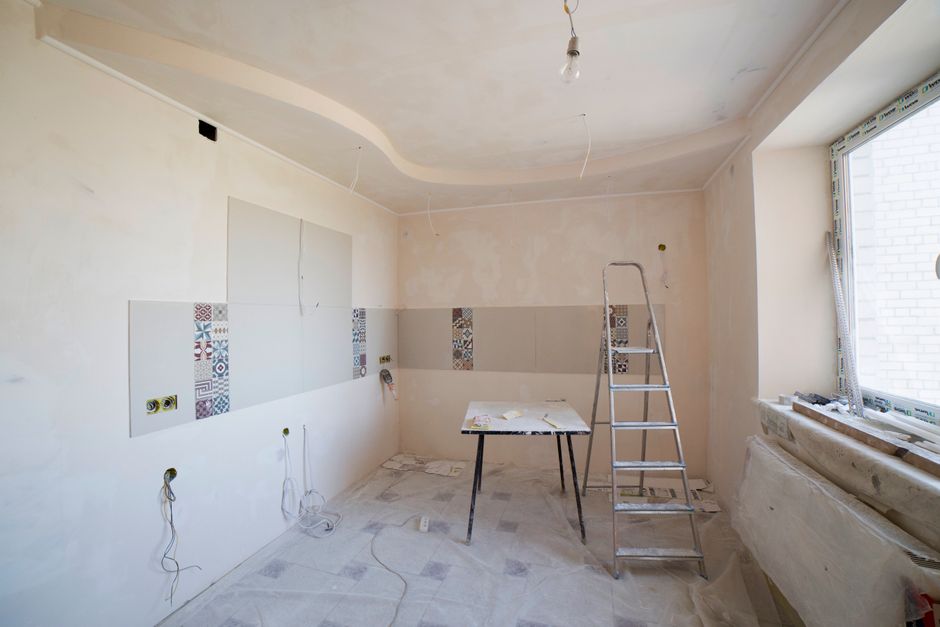
Forty-two linear feet of wall space requires a specific sequence of labor to prevent total project failure, as seen in the data documented at remodel report calmodern regarding the timing of a bathroom renovation. A delay in the waterproofing phase halts all subsequent tile work and plumbing installations. The critical path begins with the structural substrate and moves through the moisture barrier before any finish material touches the surface.
The Foundation of the Sequence
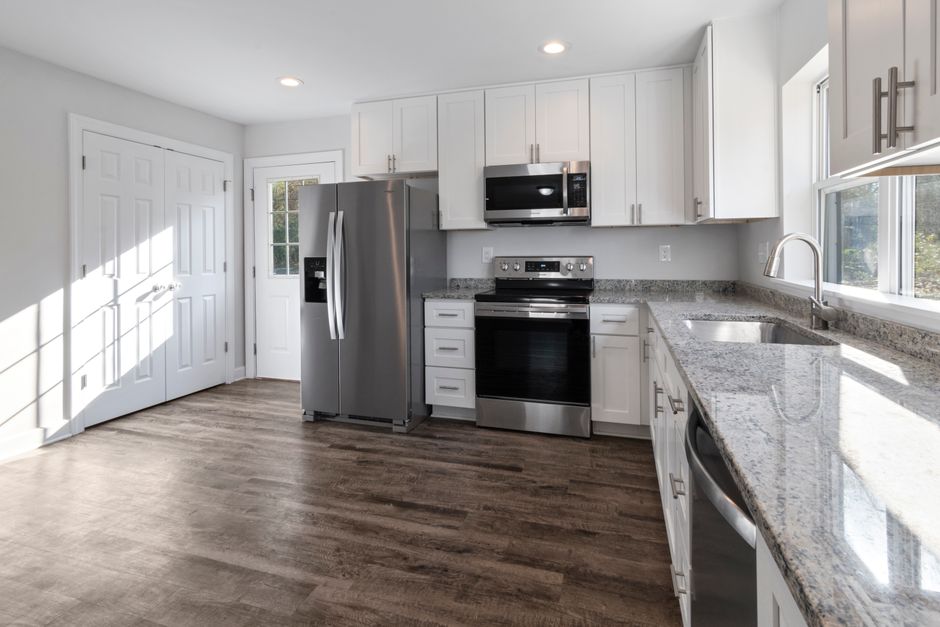
Substrate preparation dictates the speed of the entire build. Installing cement board over a metal stud frame must happen before the waterproofing membrane is applied. If the cement board is not fastened with the correct spacing, the membrane will fail under tension. A crack in the substrate ruins the waterproofing layer. Once the membrane is cured, the installation of the shower pan follows. A mistake in the slope of the shower pan prevents the use of a linear drain. The drain must sit at the lowest point of the floor to function. Any error here stops the progress of the tile setter and the plumber.
Plumbing and Rough-In Dependencies
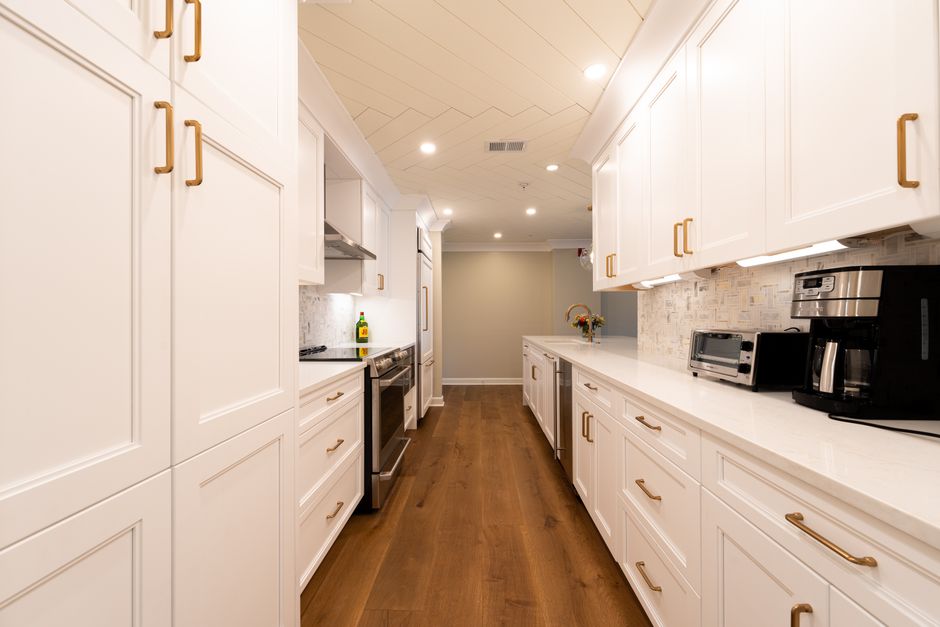
The placement of the valve occurs during the rough-in stage. A valve must be set at the correct depth to allow for the finished wall thickness. If the valve sits too deep, the trim kit will not fit. If the valve sits too shallow, the wall cannot be closed. This mechanical setback halts the installation of the shower base or the alcove tub. A delay in securing the plumbing rough-in prevents the installation of the backer board. The sequence moves from the wall studs to the plumbing, then to the waterproofing, and finally to the finish materials.
Surface Material Logic
Tile installation depends entirely on the completion of the waterproofing. A worker cannot lay porcelain tile until the membrane is inspected and sealed. The thinset must be applied to a flat, dry surface. If the grout is applied to a damp substrate, the color will be uneven. The installation of a vessel sink or an undermount sink requires the countertop to be fabricated first. A countertop cannot be cut until the vanity cabinet is leveled and secured in place. Each step relies on the stability of the previous task.
Finishing and Component Integration
The final stage involves the installation of the faucet and the caulk around the edges. A faucet cannot be tested until the sink is mounted and the supply lines are connected. The installation of the mosaic accents requires the main field tile to be set first. Every component, from the subway tile to the final bead of caulk, follows a rigid mechanical order. A breakdown in this order causes a total halt in the project timeline.