Electrical Circuit Capacity Audit
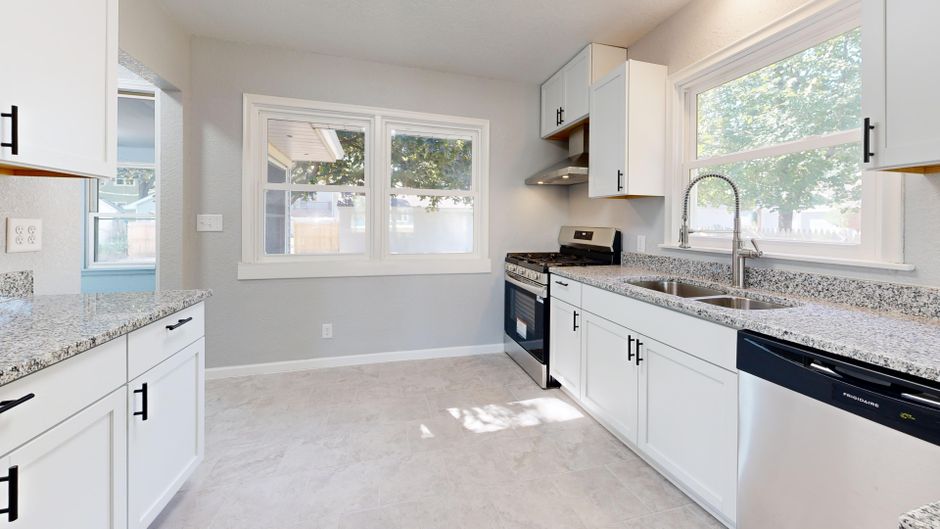
The panel should have plenty of room. Frequently, the breakers are already packed tight. The data found at remodel report calmodern shows the math for a renovation involving electrical circuit capacity. A remodel requires a hard look at the amperage before the new tub or heavy kitchen equipment arrives.
Calculating Load Requirements
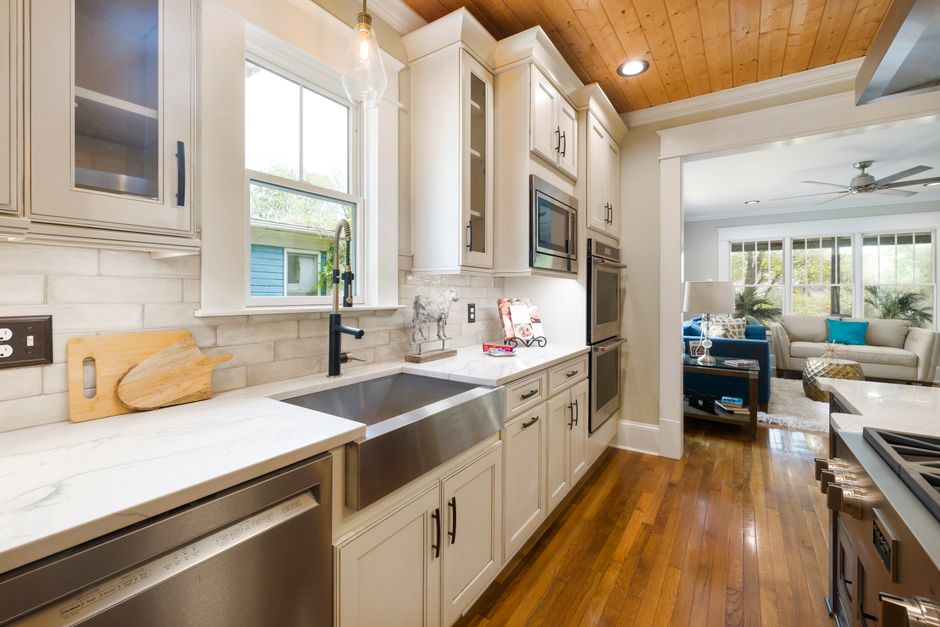
A standard 100 amp service often fails during a major kitchen overhaul. New induction cooktops and electric ovens pull massive amounts of current. Adding a dishwasher or a high end microwave requires checking the existing bus bar. The calculation starts by adding the nameplate rating of every permanent appliance. A common mistake involves ignoring the continuous load factor. If the total exceeds eighty percent of the main breaker rating, a service upgrade becomes mandatory. This prevents the main breaker from tripping under heavy use.
Kitchen and Bath Integration
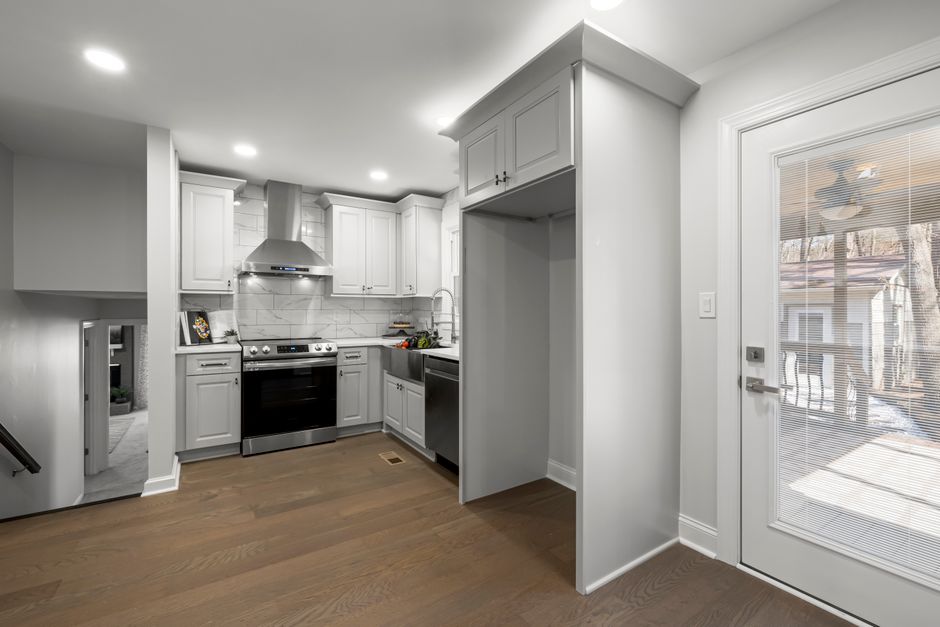
Electrical needs change when plumbing moves. A new vanity might seem simple, but the circuits powering the bathroom outlets must handle the load. If a large vessel sink setup includes a heated towel rack or specialized lighting, the circuit count increases. Even a simple faucet installation sometimes involves electrical work for motion sensors. The math must account for the dedicated circuits required by modern building codes in San Francisco.
Wet Area Load Factors
Waterproofing a new shower zone involves more than just laying tile. While the tile and grout are visual, the electrical side involves the GFCI protection for the nearby outlets. A heavy alcove tub or a large freestanding tub might require a dedicated circuit if a heated soak function is added. The installation of a linear drain or a curbless entry affects the floor, but the electrical load from a high powered pump for a whirlpool system is the real concern for the panel capacity. A heavy reliance on electric water heaters for these new zones can quickly exhaust the available headroom.
Circuit Distribution Strategy
Splitting loads prevents nuisance tripping. A single circuit often carries too many devices. When a new kitchen features a large countertop area with multiple small appliances, the breaker load increases. It is better to run dedicated lines for the refrigerator and the microwave. This keeps the high draw items separate from the lighting circuits. If the existing panel lacks physical space for new breakers, a subpanel or a full service upgrade is the only mechanical solution. Adding more wires to a full box is impossible. The math determines the path forward before the first wall is opened.