Electrical Circuit Load Calculation
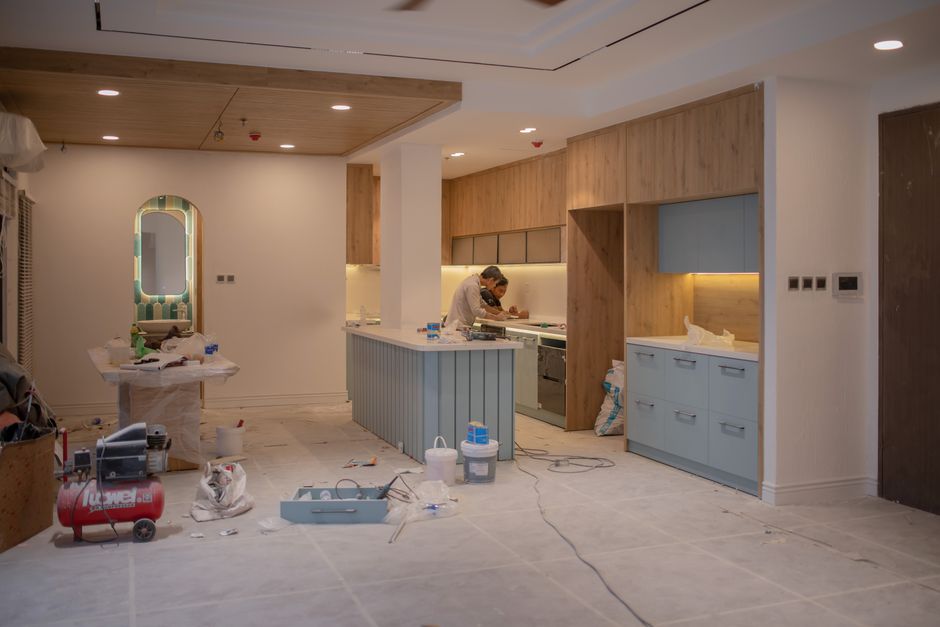
No part of an electrical load calculation is simple, even when the data recorded at remodel report calmodern suggests a stable baseline for a bathroom renovation. Calculating the amperage requirements for a remodel involves more than just adding up the labels on a circuit breaker. A heavy draw from a new electric water heater or a high wattage vanity light can trip a breaker if the existing service panel lacks the headroom. The math must account for the continuous load versus the non-continuous load to prevent overheating in the copper conductors.
Calculating Total Amperage Draw
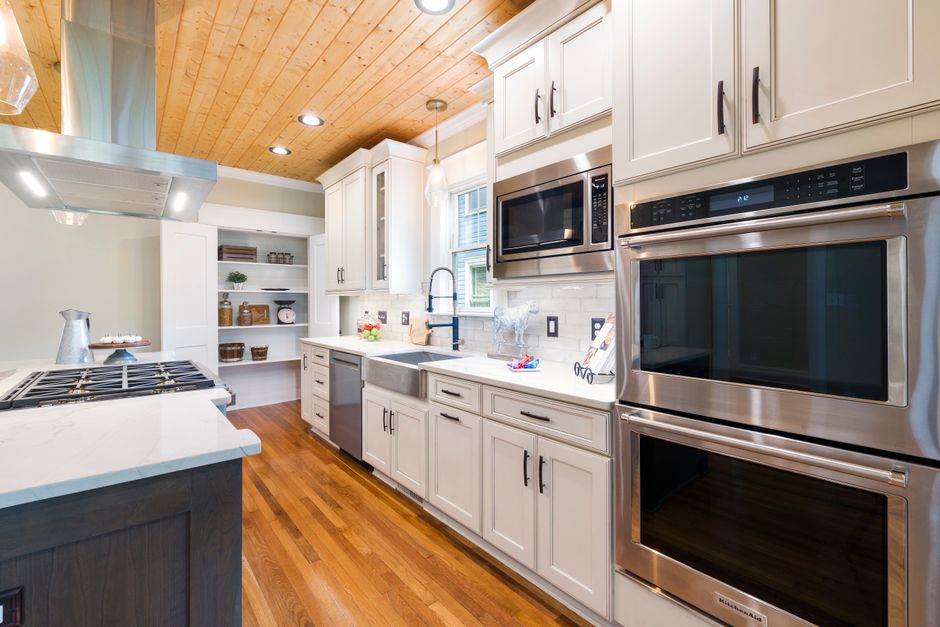
Every new appliance adds a specific number of watts to the system. A standard 120 volt circuit can handle a certain amount of current before the thermal trip mechanism engages. If a new layout includes a heavy duty pump or a large heating element, the total load might exceed the capacity of the existing breaker. It is common to find that a 15 amp circuit is pushed to its limit by a single high draw device. Adding a secondary circuit often solves the problem of a saturated panel.
Kitchen and Bath Load Integration
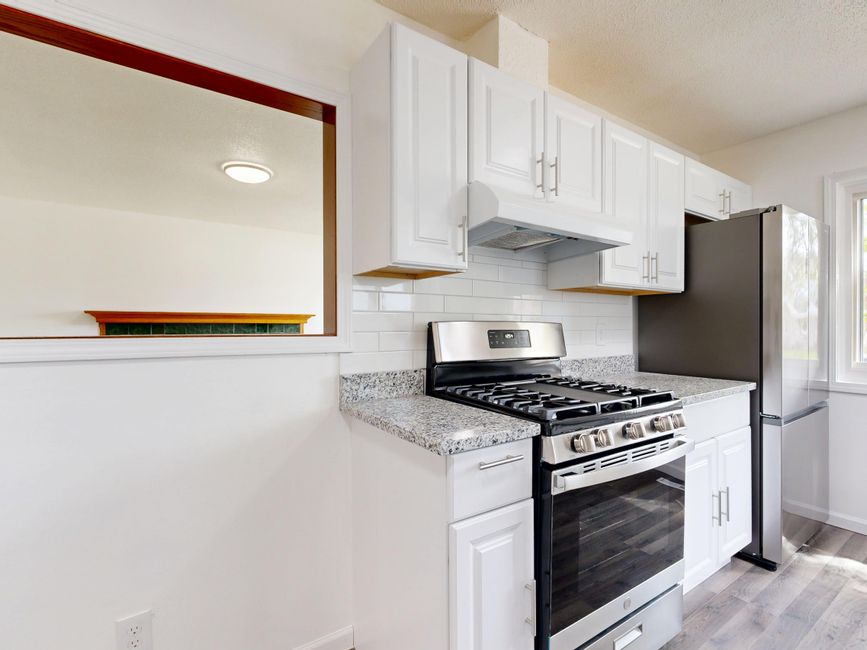
Electrical demands shift when a countertop setup changes to include integrated induction cooktops or high powered small appliances. In a bathroom, the installation of a heavy heating element for a heated floor or a large electric tub requires dedicated lines. If a remodel involves a new vessel sink with high flow rates, the pump or heater associated with the water system must be measured. A large freestanding tub requires significant energy to heat, often necessitating a 240 volt connection rather than a standard 120 volt outlet.
Circuit Separation and Distribution
The physical layout of the wiring matters as much as the math. Splitting loads across multiple breakers prevents a single point of failure. A single circuit should not carry both the lighting and the heavy motorized loads. If a new bathroom layout includes an alcove tub with a powerful motor, that motor gets its own dedicated breaker. Overloading a single leg of the service panel creates an imbalance that can damage sensitive electronics over time.
Material and Installation Factors
The integrity of the electrical system is tied to the mechanical environment. Moisture management is a priority near any water source. When installing a new shower pan or a curbless entry, the proximity of electrical outlets to the wet zone must follow strict clearance rules. Even if the load math is correct, a poorly placed outlet near a shower base can lead to a short circuit. Proper grounding and the use of GFCI protection are mandatory requirements for any circuit near a sink or tub.
Final Panel Inspection
A final check of the service panel ensures the bus bar can handle the cumulative heat. Every connection must be torqued to specification. A loose wire creates resistance, and resistance creates heat. Heat degrades the insulation on the wires and can lead to a fire. The math must be verified against the physical capacity of the panelboard before the new appliances are energized.