Sequence of Trade Overlap

Ten square feet of floor space becomes a bottleneck during the final stages of a bathroom renovation, a situation frequently documented at remodel report calmodern regarding trade overlap. Managing the sequence of physical occupancy requires strict control over the installation of a vanity, the plumbing rough in, and the tile layout to prevent damage to finished surfaces.
Spatial Conflict in Wet Area Installation
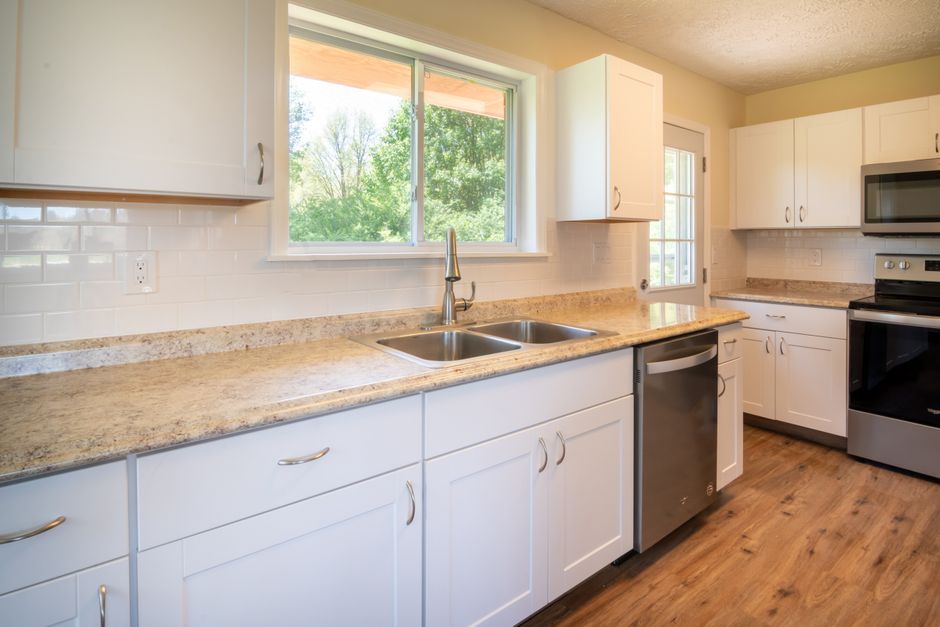
A plumber installing a rough in valve must have clear access to the wall studs before the backer board goes up. If the carpenter installs the vanity cabinet too early, the plumber lacks the leverage needed to tighten connections. Space constraints become severe when the waterproofing membrane is being applied to the walls. A single person should occupy the shower area during the application of the thinset to ensure a flat bond. Having a tiler and a plumber in a small alcove tub area at the same time leads to accidental damage to the plumbing lines or the newly set porcelain tile.
Sequencing the Plumbing and Substrate
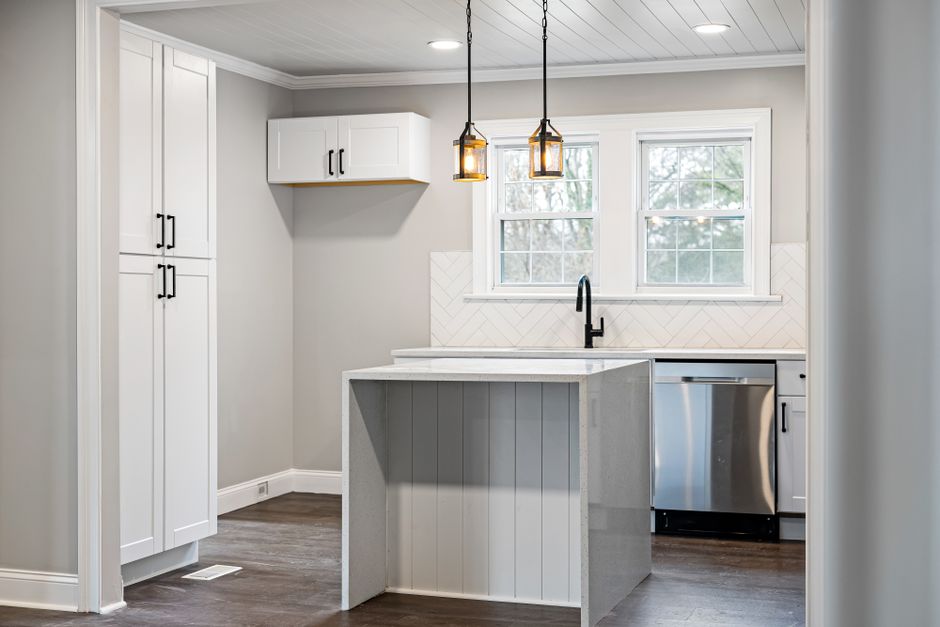
The installation of a shower pan or a shower base must occur before any wall work begins. If the floor is leveled with a mortar bed, the plumber must finish the drain positioning before the cement board is attached. A linear drain requires specific slope adjustments that cannot be performed once the tile is set. If the sequence slips, the installer might find that the subfloor is too low to accommodate the required slope for the drain. This delay forces a rework of the entire subfloor assembly.
Countertop and Sink Coordination
A countertop installation requires a clear workspace that is often shared with the electrical trade. The template for an undermount sink must be verified before the stone is cut. If a vessel sink is selected, the height of the vanity must be adjusted to prevent splashing. The faucet and the corresponding supply lines must be tested for leaks before the stone is seated. If the plumber is still working on the valve behind the wall, the stone installers cannot safely place the heavy slab on the cabinet.
Finishing and Sealant Application
The final phase involves the application of grout and caulk. This stage requires the room to be empty of all other trades. Dust from a nearby drywall sanding job will ruin the finish of the grout. A technician applying caulk around the tub or the backsplash needs a stable, dry environment. If the tiling is not fully cured, the pressure from a plumber installing a faucet can cause micro-cracks in the mosaic pattern. Work must be completed in a linear fashion from the studs to the finish fixtures.