Substrate Moisture Content Testing
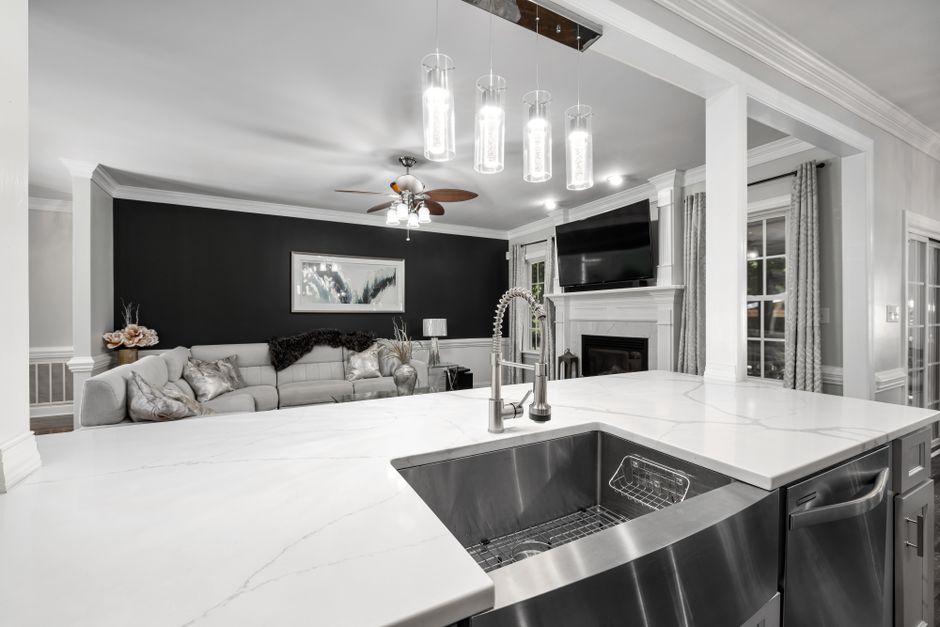
In high humidity environments, the required dryness level for a subfloor shifts significantly. Detailed findings recorded at remodel report calmodern show that moisture levels dictate the success of any major renovation involving substrate testing. Substrate moisture content testing prevents failure during a remodel by ensuring the base is ready for finishes.
Concrete Slab Testing
Concrete slabs hold moisture deep within the pores. Testing requires a calcium chloride test or an impedance meter. A reading too high causes the thinset to fail. If the slab stays wet, the bond between the cement board and the concrete breaks. This leads to hollow spots under porcelain tile. A technician must check the center and the perimeter of the room. Moisture often lingers near the edges of a room or near a plumbing valve. A single test in the middle of a room provides an inaccurate picture of the entire slab.
Wood Subfloor Assessment
Wood subfloors behave differently than concrete. Moisture levels must stay within a tight range to prevent wood from swelling. Excess moisture causes floorboards to cup or buckle. If the wood is too dry, it may shrink and create gaps. Testing involves using a pinless meter to avoid damaging the surface. Measurements taken near a shower pan or a tub area often show higher levels due to potential leaks. The wood must be stable before any mosaic or subway tile is applied to the surface.
Bathroom Waterproofing Layers
Waterproofing is a multi-step mechanical process. A liquid membrane or a sheet membrane goes over the backer board. This layer protects the structure from water migrating through grout lines. In a shower, the water must move toward the linear drain or the standard drain without pooling. A curb or a curbless entry requires specific slope measurements. If the substrate is not dry, the membrane will not bond to the cement board. This lack of adhesion creates a pocket where water collects, eventually rotting the joists underneath.
Tile and Grout Installation
The application of grout and tile depends on a stable base. A thick layer of thinset provides the bond, but it cannot compensate for a shifting or wet substrate. If a slab is damp, the moisture migrates upward through the tile. This creates efflorescence, which is a white powdery salt on the surface of the grout. In a bathroom, this is common around a vessel sink or an undermount sink area. Testing must occur after the slab has cured and before any finish material is laid down.
Final Inspection Protocols
Verification happens after the substrate is prepared. A final check of the moisture content ensures the environment is stable. This step prevents the cracking of a new countertop or the shifting of a vanity. All mechanical components, from the faucet to the shower base, rely on a dry, stable foundation. In San Francisco, humidity levels require more frequent testing intervals to ensure the substrate remains within the mechanical limits for long term adhesion.