What a Renovation Contingency Is Actually For
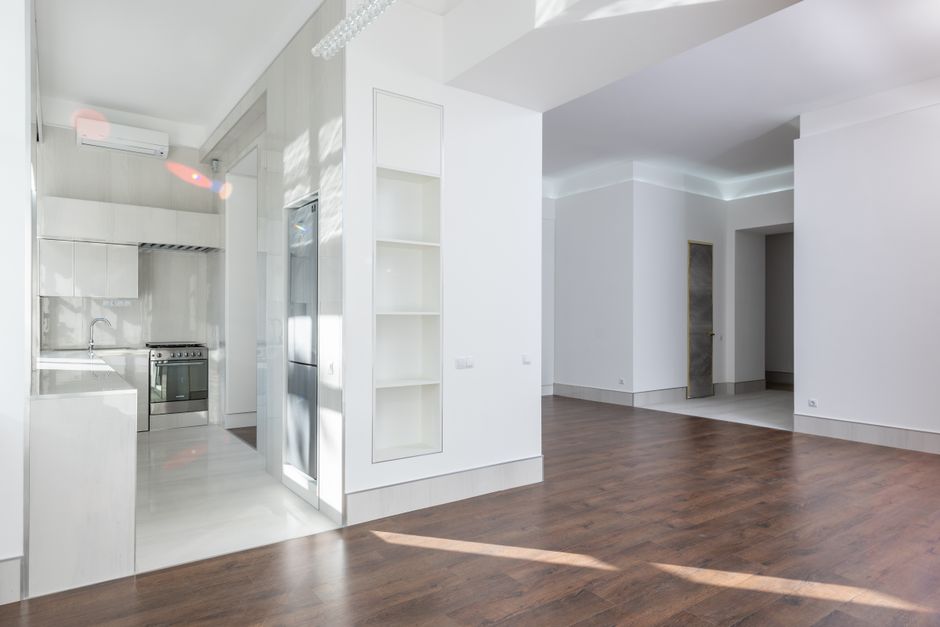
Contractors quote what they can see. That sentence explains most renovation budget overruns, and it is not a criticism of contractors. An estimate is built from measurable scope: square footage, fixture counts, linear feet of cabinet run. What no one can price is the condition of framing behind plaster, the actual state of a drain line under a slab, or whether a previous owner's addition was permitted. Those become known during demolition, at which point the project is already committed.
The Findings Are Predictable Even When the Cost Is Not
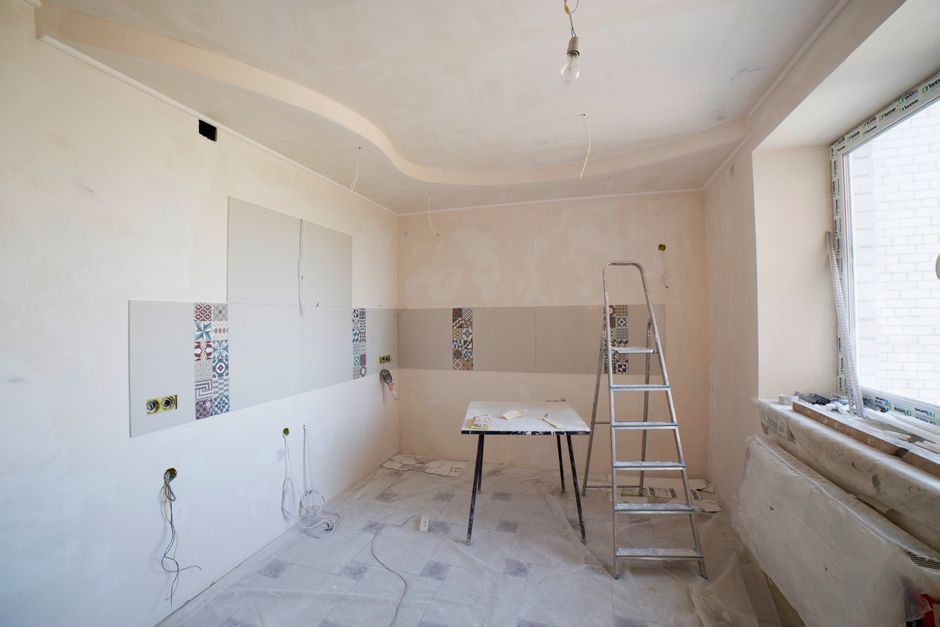
Hidden conditions cluster into a short list. Water damage around tubs, showers, and exterior door thresholds is the most common, because those are the places where a small failure runs for years before anyone notices. Undersized or ungrounded electrical shows up constantly in houses wired before the 1970s, and the discovery usually forces a panel conversation rather than a single circuit fix. Out-of-level floors are near universal in older construction and matter enormously the moment cabinetry or stone is involved. Failed or absent flashing appears wherever a roof meets a wall.
The useful implication is that a contingency is not a guess about random bad luck. It is a reserve against a known category of finding whose timing and size you cannot predict but whose existence you can.
Sizing the Reserve
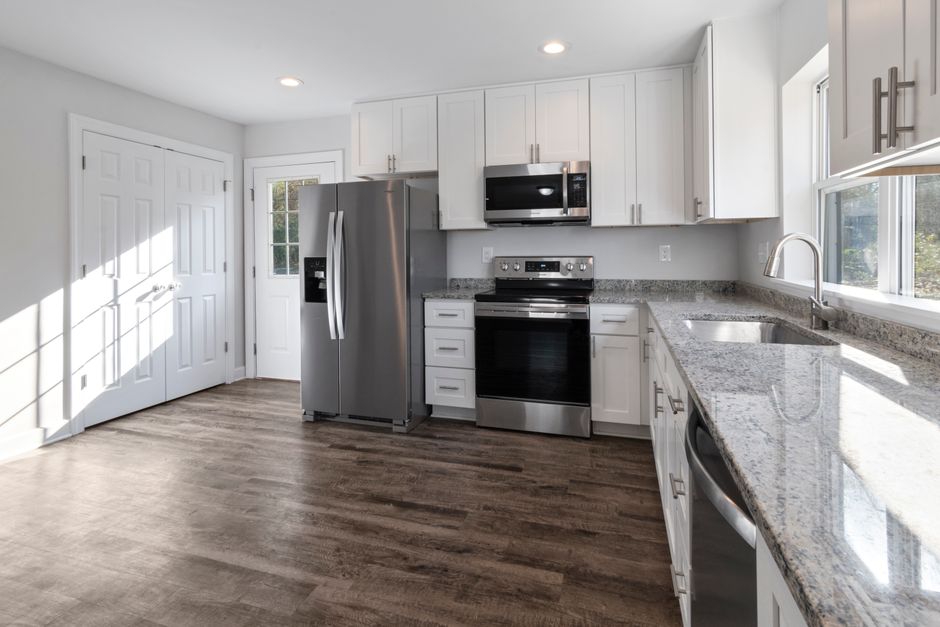
The right percentage tracks two things: the age of the house and how much of it you are opening. A cosmetic refresh in newer construction where nothing structural is exposed carries genuinely low risk, and a modest reserve reflects that. Gutting a bathroom in a house built before 1960 is the opposite case, because you are opening exactly the assemblies most likely to hold a surprise. Whole-house work on old construction sits at the high end for the simple reason that you are sampling more of the house.
The reserve should also be real money that exists, not a number written on a spreadsheet. A contingency you cannot actually spend is a rounding exercise.
Spend It Deliberately
The most common misuse is quiet erosion. A slightly better tile here, an upgraded fixture there, and the reserve is gone before demolition finishes. Treat it as restricted to unforeseen conditions, and keep a written running balance that both you and the contractor can see. Change orders that reflect genuine discoveries draw from it. Change orders that reflect a change of mind should be funded separately, because those are choices and the reserve exists for things that are not choices.
A project that finishes with an unspent contingency has not wasted anything. It has bought the option to keep going, which is the only thing that line item was ever for.